
Different Types of Home Extensions in Canberra
Extending your home is a major investment, and choosing the right type of extension can make a significant difference to cost, build time, disruption, and the final result.
In Canberra, every home is different. Existing roof types, block sizes, ground levels, setbacks, building envelopes, planning controls, and older house layouts can all affect how an extension should be designed and built.
The way a new extension connects to the existing home is one of the most important early design decisions. Some extensions are designed to connect lightly through a compact transition space. Others are fully integrated into the existing roof and structure. In some cases, the best option is to build up rather than out.
At Fixed Price Extensions, we help homeowners understand which extension type best suits their existing home, their block, their budget, and the way they want to use the new space.
The Three Main Types of Home Extensions
Most home extensions fall into one of three main categories:
Each option has its own advantages, limitations, construction requirements, and design opportunities.
The best choice depends on the existing house, the available space on the block, the roof structure, the desired layout, and how much renovation work is needed to make the new and existing areas work together.
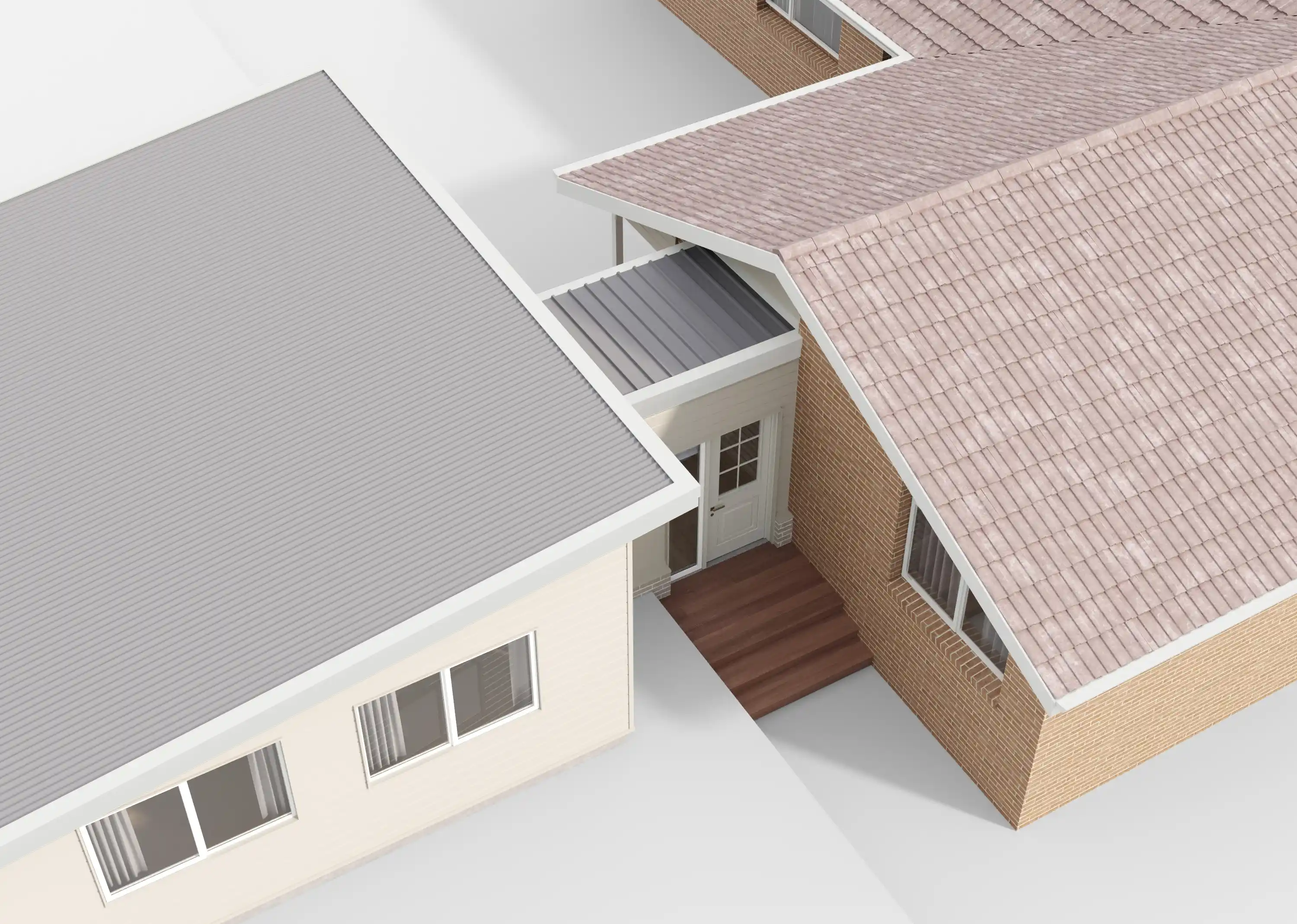
Quick Comparison
|
Extension type |
Best suited for but not limited to |
Main benefit |
Key consideration |
|---|---|---|---|
|
Link Connector Extension |
Rear additions, guest suites, home offices, studios, flexible living areas, multi-generational spaces |
Often the most cost-effective and least disruptive way to extend |
Requires enough space for the link and can create a more separate feel |
|
Traditional Direct Extension |
Open-plan living, kitchen and dining extensions, seamless family living areas |
Creates strong internal flow between old and new spaces |
Usually requires more work to the existing roof and structure |
|
Second Storey Extension |
Blocks with limited ground space, extra bedrooms, parent retreats, preserving yard area |
Adds floor area without increasing the home’s footprint |
Typically the most complex and structurally involved option |
Why the Connection Method Matters
An extension is not just a new room added to the side or back of a house. The new work needs to connect properly with the existing home.
This can involve:
- Roof lines
- Eaves
- Wall framing
- Floor levels
- Ceiling heights
- Windows and doors
- Stormwater and drainage
- Existing services
- Access through the current home
- Internal renovation work
- Energy efficiency and compliance requirements
The connection method affects how much of the existing house needs to be changed. It also affects how disruptive the build may be, how the finished home feels, and how flexible the new space will be in the future.
A well-designed extension should consider both the new addition and the existing home as one overall project.
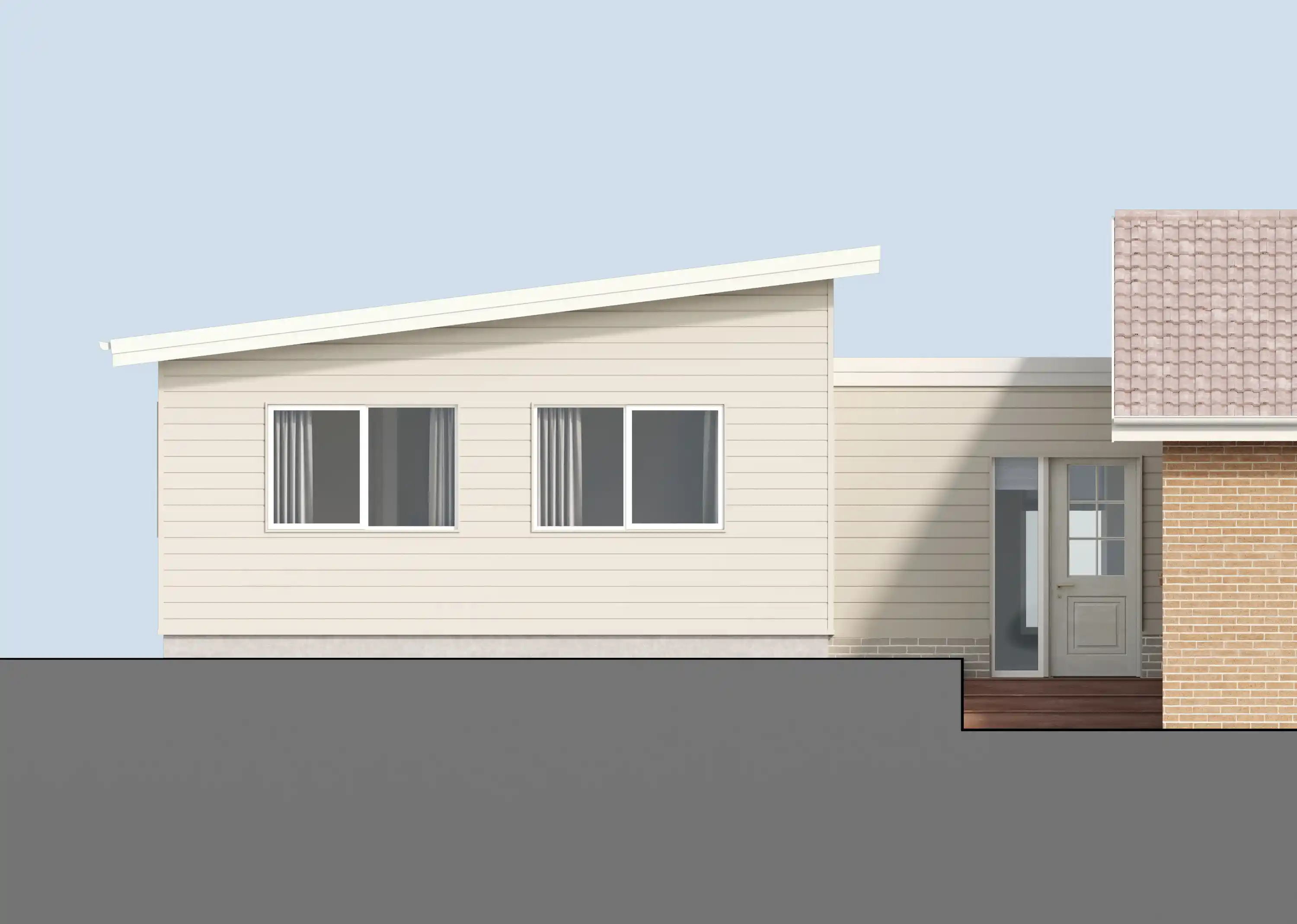
How an Extension Connects to an Existing Home
One of the biggest differences between an extension and a new standalone build is that the new work must eventually connect back into the existing house.
This connection point needs to be carefully planned. It can affect the structure, roof, walls, floor levels, weatherproofing, services, internal access, and how much disruption the household experiences during construction.
In many extension projects, the new area is built in stages before the existing home is fully opened up. This helps protect the original house and allows the builder to control when the most disruptive works occur.
A typical staged connection may include:
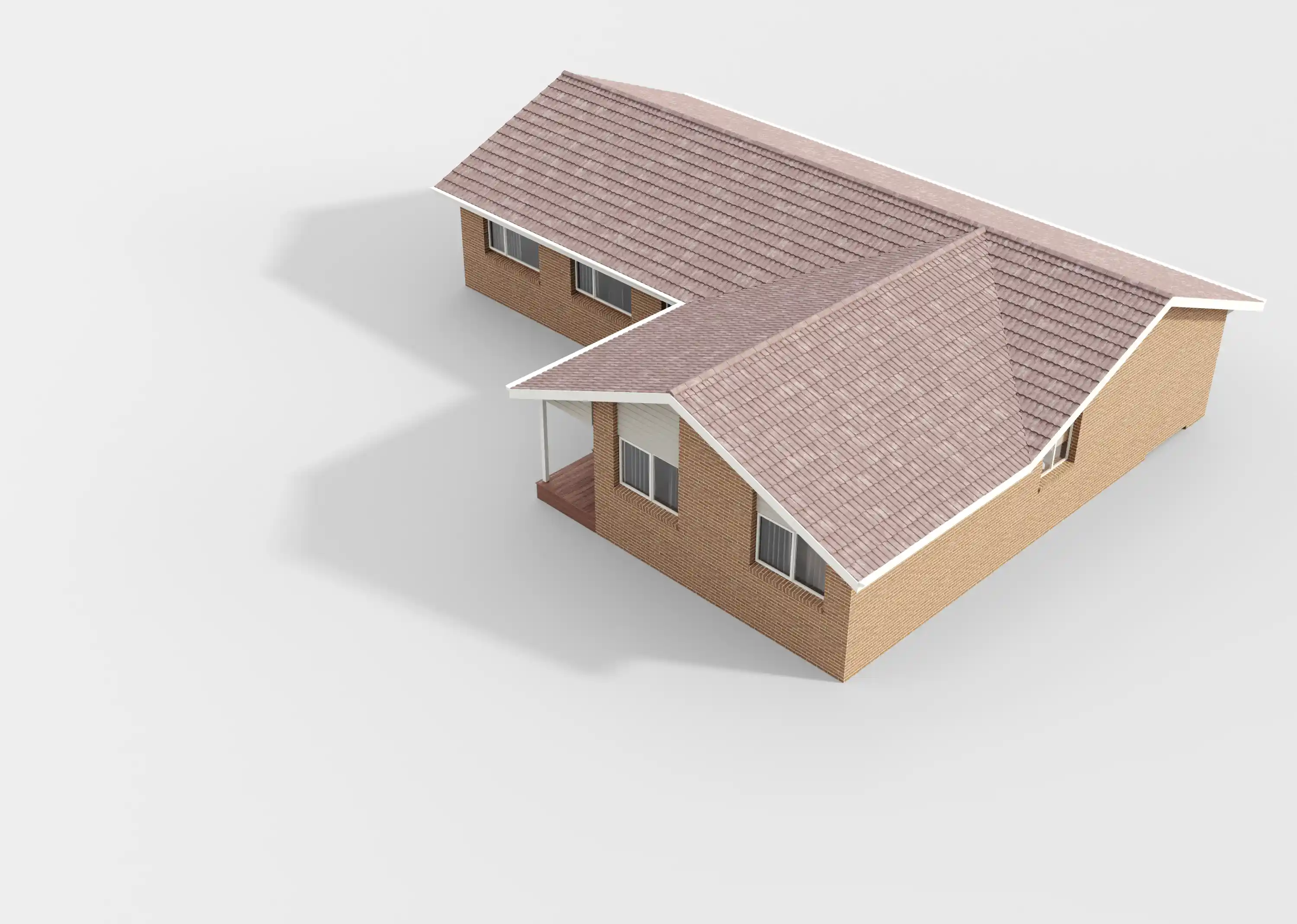
1. Prepare and set out the new extension area
The site is measured, the extension footprint is set out, and the connection point to the existing home is planned.
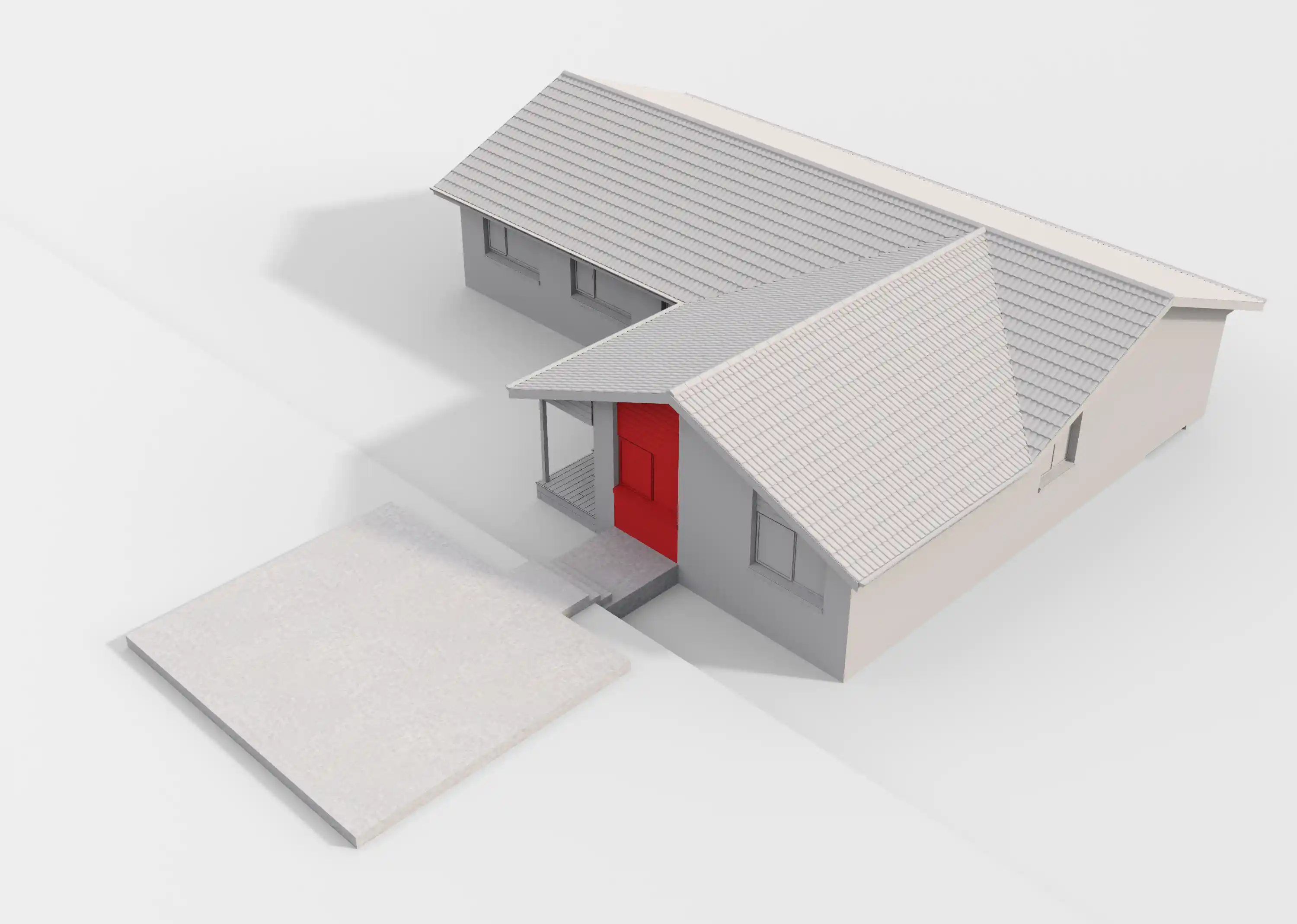
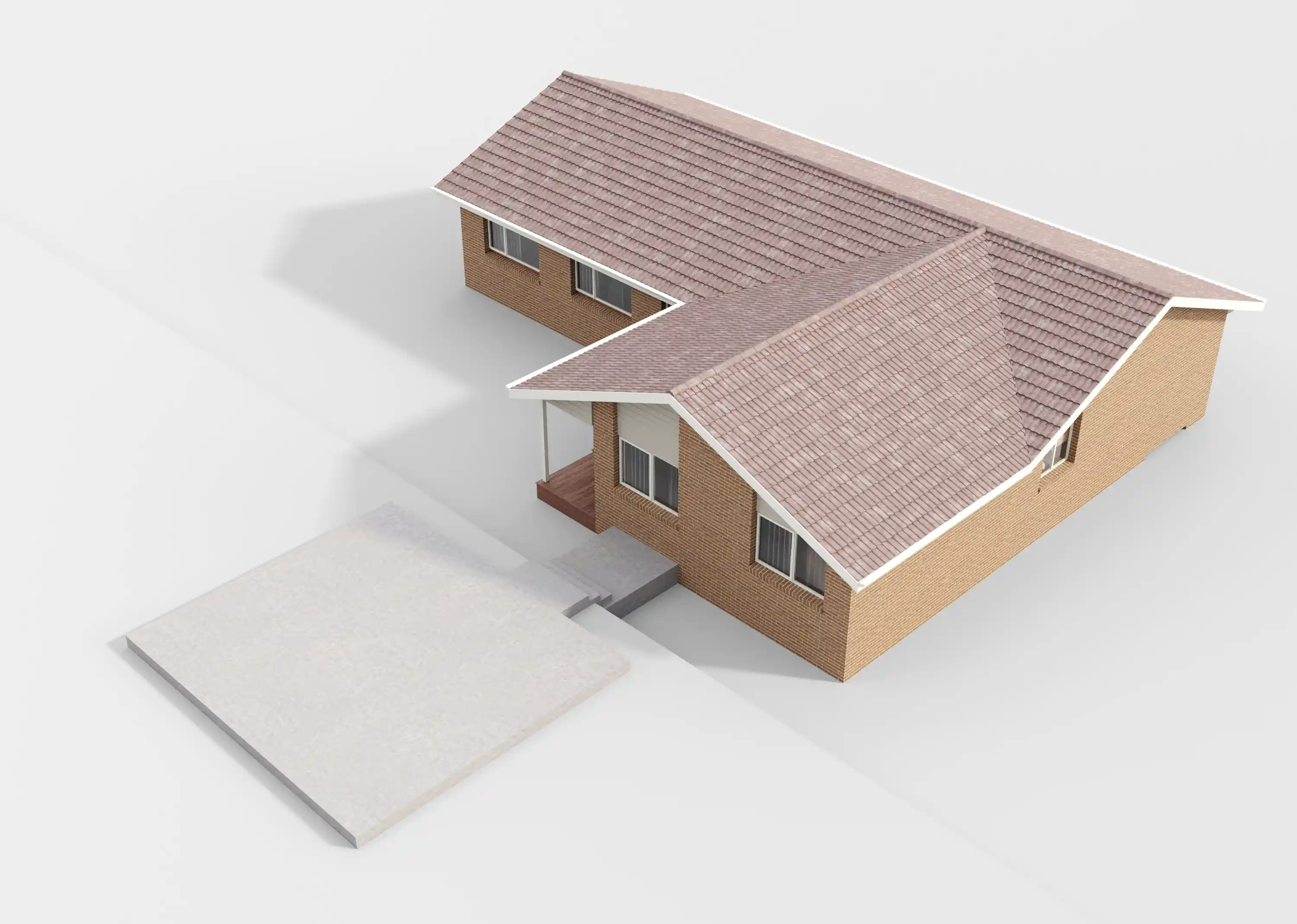
2. Build the new floor system and foundations
Footings, slab, subfloor, drainage, and early service preparation are completed before major changes are made to the existing house.
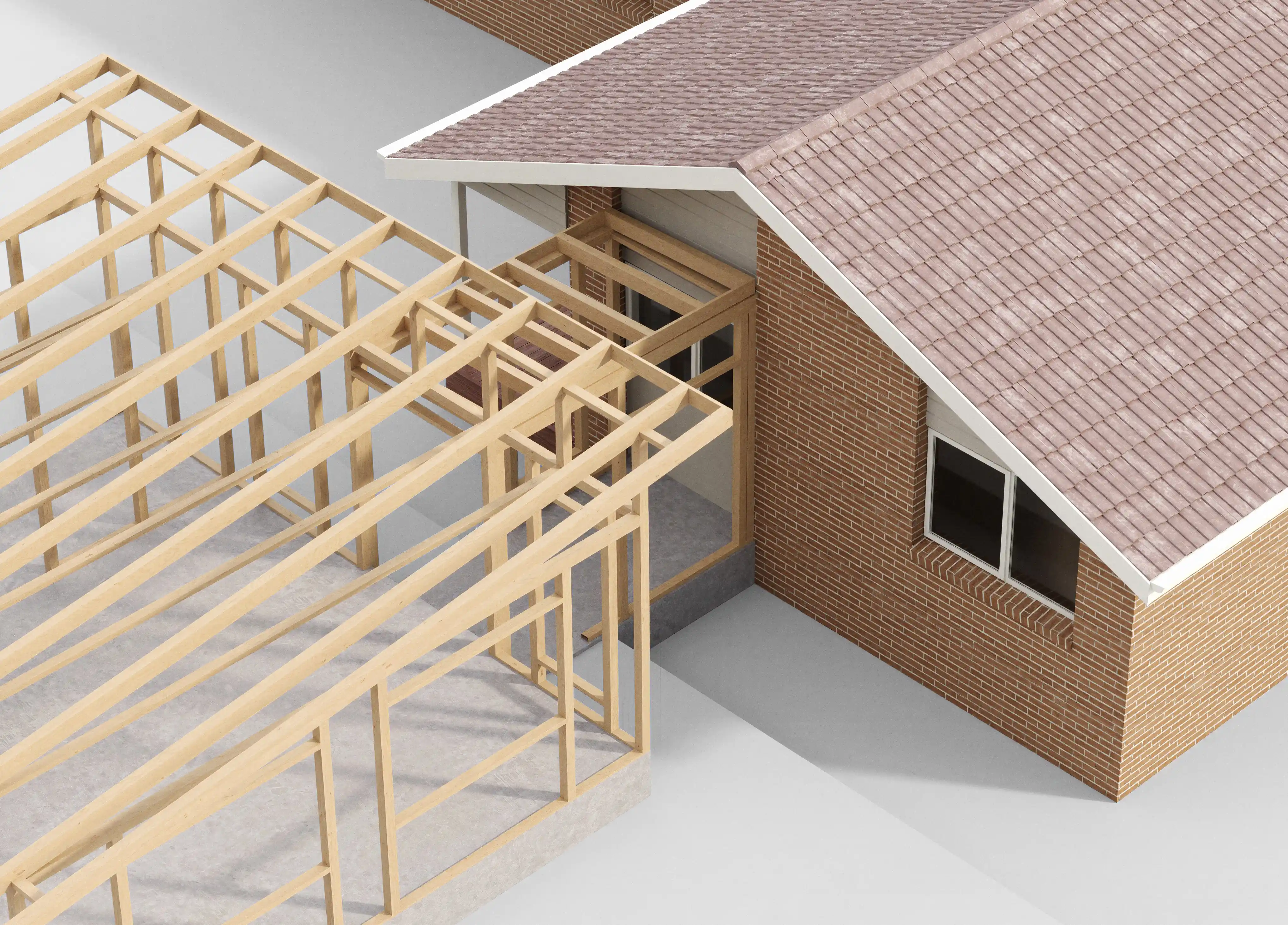
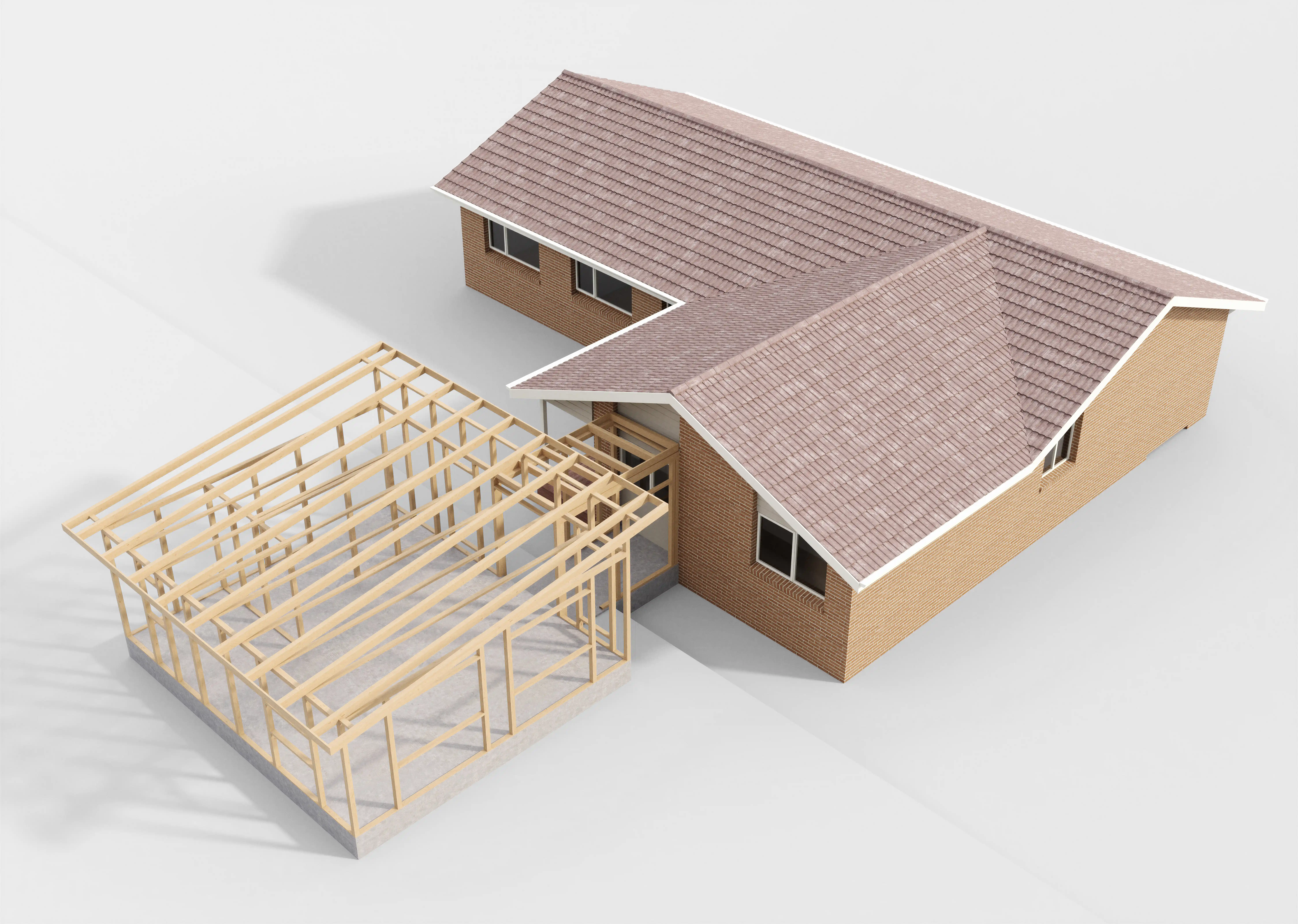
3. Construct the new wall and roof frames
The new extension starts to take shape while the existing home remains mostly enclosed and functional.
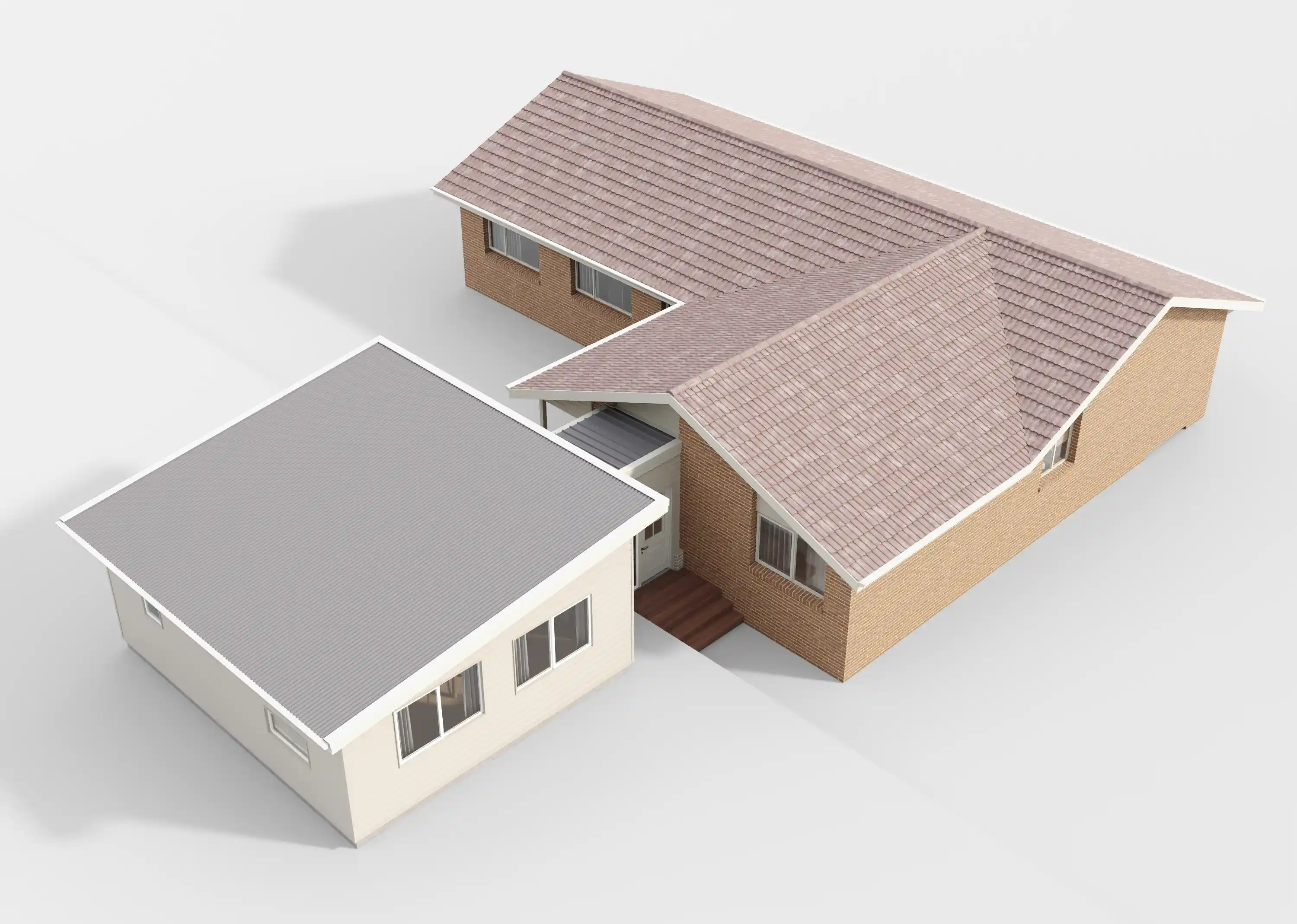
4. Enclose and weatherproof the new extension
External cladding, roofing, windows, and doors are installed so the new structure is protected from weather.
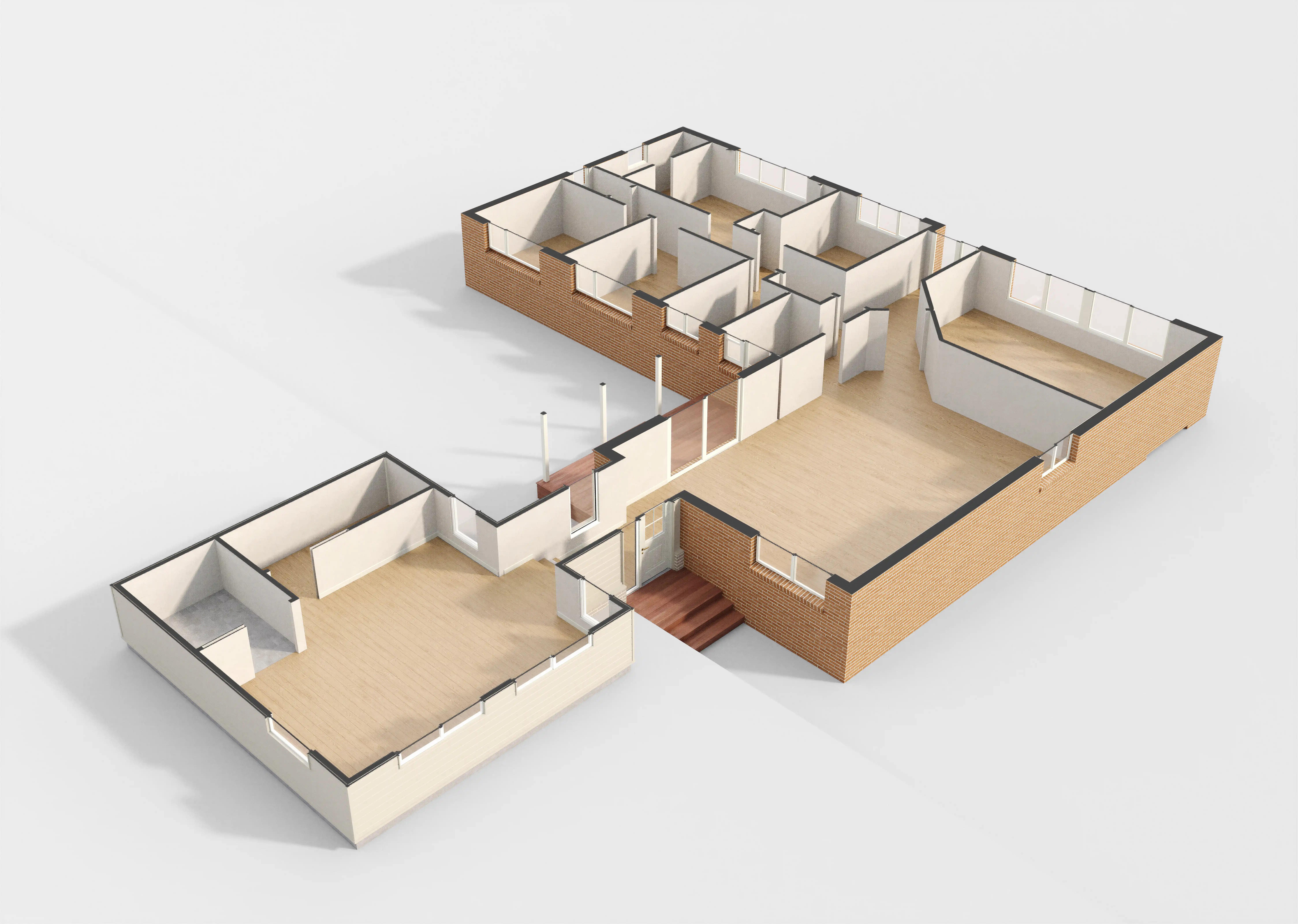
5. Create the opening into the existing home
Once the new extension is ready, the builder creates the physical connection between old and new. This may involve removing an existing wall section, window, door, or part of a room.
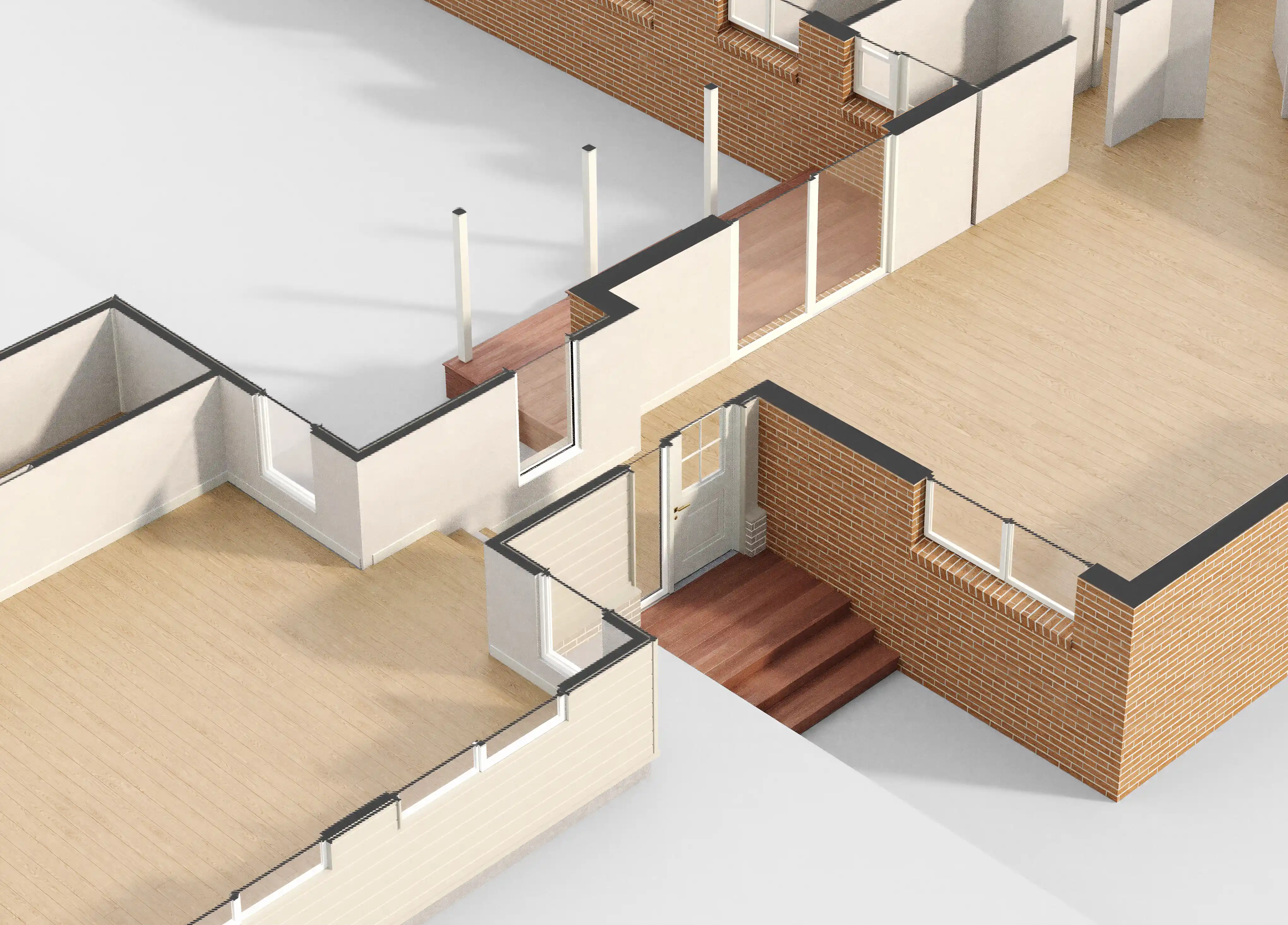
6. Complete internal works and finishes
Services, insulation, plasterboard, flooring, joinery, painting, and final detailing are completed so the extension feels connected to the existing home.
The diagram shown uses a link connector extension as an example because it clearly demonstrates how the new structure can be built first and connected later. However, the same principle applies to many extension types: the connection between old and new must be planned carefully so the home remains protected, the build is efficient, and disruption is reduced as much as possible.
How Renovation Work Fits Into an Extension
Most extensions require some level of work to the existing house. The amount of work depends on how the new extension connects.
For example, a simple link connector may only require a carefully planned opening through an existing wall, window, door, laundry, powder room, or bedroom. This can reduce the need for major roof or structural changes.
A traditional direct extension usually involves more work to the existing home because the new area is designed to flow directly into the old one. This can include roof modifications, structural openings, internal demolition, new ceilings, floor matching, and reworking parts of the existing layout.
A second storey extension requires even more detailed assessment because the existing roof, walls, footings, and internal layout all affect whether the home can support an upper level and where the staircase can be located.
This is why early design advice is so important. The right extension type can help avoid unnecessary cost, reduce construction risk, and create a better final result.
Choosing the Right Extension Type
There is no single best extension type for every home.
A link connector extension may be the best option if you want a practical, cost-effective extension with less disruption to the existing home.
A traditional direct extension may be the right choice if you want the new space to feel completely integrated with the original house.
A second storey extension may be the best pathway if your block has limited space and you want to preserve your backyard or outdoor areas.
The right answer depends on your property, your goals, and the constraints of the site.
What We Do
Fixed Price Extensions specialises in designing and building home extensions for Canberra properties.
Our team looks at the existing house, roof type, ground levels, block layout, access, planning requirements, and the way you want to use the new space. We then help you choose an extension approach that is practical, compliant, and suited to your budget.
We can help with extensions for:
- Additional bedrooms
- Master bedroom suites
- Larger family living areas
- Home offices and studios
- Guest accommodation
- Multi-generational living
- Flexible rental or dual-use spaces
- Improved long-term family functionality
We design with the existing home in mind, so the new extension works properly with the house that is already there.
Learn More About Each Extension Type
Each extension type has different design, cost, planning, and construction considerations. Learn more about the option that best suits your project:
Frequently Asked Questions
What is the most affordable way to extend a home?
The most affordable option depends on the existing house and site conditions. In many cases, a link connector extension can be more cost-effective because it may reduce the need for major roof and structural changes. However, the best option depends on the property.
Which extension type causes the least disruption?
A link connector extension is often less disruptive because much of the new work can occur away from the existing house, with the internal connection completed later in the build. Direct extensions and second storey extensions usually involve more work to the existing home.
Can an extension be used as a separate living area?
Yes, some extension designs can create a more separate living zone. This may suit family members, guests, teenagers, home office use, or flexible future use. The design must still comply with relevant planning and building requirements.
Do all extensions require changes to the existing roof?
No. Some extension types require significant roof modification, while others may reduce or avoid major roof changes. Link connector extensions are often used where minimising changes to the existing roof is a priority.
Is a second storey extension always the best option for a small block?
Not always. A second storey can be a good solution when ground space is limited, but it is usually more complex and expensive. The existing structure, planning controls, staircase location, roof shape, and budget all need to be considered.
How do I know which extension type is right for my home?
The best way is to assess the existing house, block, roof, ground levels, planning controls, and your goals for the new space. Fixed Price Extensions can review these factors and recommend the most suitable extension approach.
Speak With Our Design Team
If you are planning a home extension in Canberra, the first step is understanding which extension type is right for your property.
Fixed Price Extensions can help you compare your options and choose a design pathway that works with your existing home, your block, your budget, and your future plans.